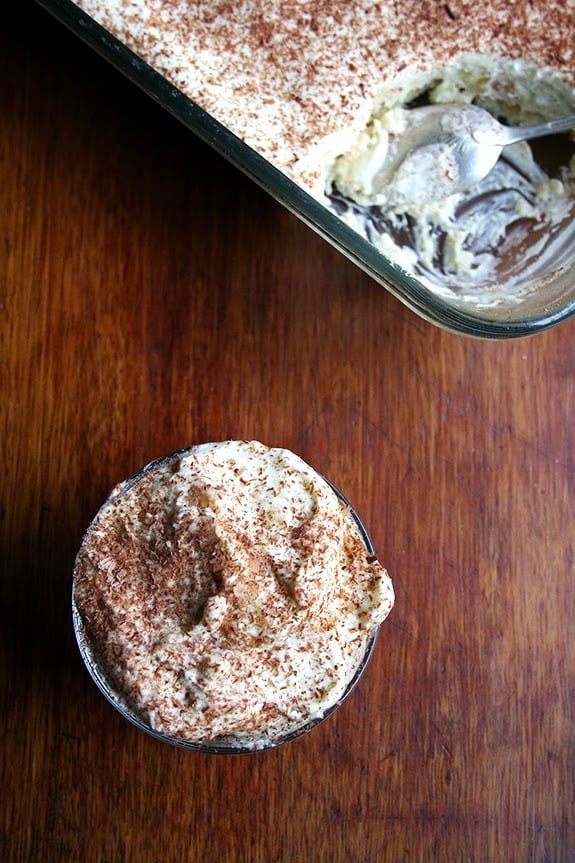
Homemade Tiramisu: The Best Mascarpone & Espresso Recipe
There are few desserts that evoke the same sense of luxurious comfort and sophisticated indulgence as a classic tiramisu. This iconic Italian coffee-flavored delight, translating literally to "cheer me up" or "pick me up," is more than just a sweet treat; it's an experience. Imagine rich, velvety mascarpone cream, delicate espresso-soaked ladyfingers, and a dusting of cocoa, all coming together in perfect harmony. It's a dessert that has graced countless holiday tables, delighted generations of guests, and remains a beloved staple for its make-ahead convenience and undeniable crowd-pleasing power. This guide will walk you through crafting the ultimate homemade tiramisu, ensuring every bite is a taste of Italian heaven.
The beauty of tiramisu lies in its ability to be prepared in advance, making it the ideal dessert for entertaining. Whether you're hosting a grand holiday feast or a cozy dinner party, having a show-stopping dessert chilling in the fridge alleviates last-minute stress. It's the kind of timeless recipe that warrants sharing, a culinary gem that could easily be featured in a celebrated food publication, perhaps even as a cherished
tiramisu guest post on Cup of Jo or a similar platform dedicated to home cooking and joyful living. Let's dive into the essential components that elevate a good tiramisu to a truly unforgettable one.
The Heart of Tiramisu: Mascarpone & Espresso Perfection
At the core of any exceptional tiramisu are two non-negotiable ingredients: high-quality mascarpone cheese and freshly brewed espresso. These aren't just components; they are the very soul of the dessert, dictating its texture, flavor, and overall appeal. Skimping here is simply not an option if you aim for authentic, restaurant-quality results.
Let's talk about
mascarpone first. This isn't your average cream cheese. Mascarpone is an Italian cream cheese, incredibly rich, smooth, and delicate, with a subtly sweet flavor and a luxurious, spreadable consistency. For the purists, seeking out imported Italian mascarpone makes a noticeable difference. It typically comes in small tubs, and for a standard recipe serving a crowd, you'll likely need two of these tubs. While you might have a little leftover, it's a small price to pay for the superior flavor and texture it imparts to the cream layers. This ingredient is pivotal in achieving that signature silken mouthfeel that defines tiramisu. Don't worry if imported varieties are hard to find; good quality domestic mascarpone can still yield excellent results, but make an effort for the best experience.
Next, the
espresso. This is where the "pick me up" truly comes into play. The coffee element provides a crucial bitter counterpoint to the sweet cream and sugar, preventing the dessert from being cloyingly sweet. Forget instant espresso powder that might sit in your pantry for a year after opening. For a truly fresh and vibrant flavor, your best bet is to use freshly brewed espresso or very strong coffee. If you don't own an espresso machine, a quick trip to your favorite local coffee shop is worth it. Order a few shots of espresso or a small cup of their strongest brew. You'll need approximately 2/3 cup of liquid total. If you brew at home, ensure the coffee is concentrated – a Moka pot or French press can produce a robust brew perfect for this. Add a touch of hot water to reach the desired volume if your shots are too concentrated. The key is a deep, rich coffee flavor that penetrates the ladyfingers without making them bitter.
Beyond these two stars, consider
superfine sugar. While granulated sugar works, superfine sugar dissolves more readily into the egg yolk mixture, creating an even smoother, less grainy custard base for your mascarpone cream. It's a small detail, but one that contributes to the overall refined texture.
Mastering the Ladyfingers: Soft, Soaked, and Sublime
The foundation of tiramisu is not just any cookie; it's the ladyfinger, or
savoiardi. The type and treatment of these delicate biscuits are critical to the dessert's structural integrity and textural appeal.
The most important distinction to make is between
soft ladyfingers versus hard ladyfingers. For a classic, melt-in-your-mouth tiramisu, you absolutely want the soft variety. Harder ladyfingers tend to be too crisp and absorb liquid differently, potentially leading to a dessert that’s either too crunchy or too soggy. Soft ladyfingers, with their airy texture, are perfect for soaking up the espresso without falling apart.
Where do you find them? They are often located in the bakery section of grocery stores, sometimes near other Italian specialty items. In some cases, stores might stock them in the freezer aisle, so don't hesitate to ask a store associate if you can't locate them. Typically, a package contains 12 whole ladyfingers, which are then split in half, yielding 24 halves. For a generous, crowd-feeding tiramisu, you'll likely need three of these packages, providing ample layers for a substantial dish.
The art of soaking the ladyfingers is paramount. This isn't a deep dive into a swimming pool of espresso. Instead, it's a quick, decisive dip. Each ladyfinger half should be briefly dipped, just enough to absorb the rich coffee flavor without becoming oversaturated and mushy. A quick count of "one-thousand-one, one-thousand-two" per side is usually sufficient. The goal is a moist biscuit that still retains a slight structural integrity, allowing it to hold its shape within the layers. Over-soaked ladyfingers will turn your tiramisu into a soggy mess, while under-soaked ones will leave it dry and unappealing. This delicate balance is what truly sets apart a perfectly crafted tiramisu.
For more in-depth tips on achieving the ideal ladyfinger texture and espresso infusion, check out our guide on Perfect Tiramisu: Tips for Soft Ladyfingers & Fresh Espresso.
Assembling Your Tiramisu Masterpiece
With your superior ingredients ready, the assembly process is relatively straightforward but requires a touch of care to ensure beautiful, even layers.
A classic tiramisu usually follows a pattern:
- Start with a thin layer of mascarpone cream at the bottom of your serving dish. This prevents the bottom layer of ladyfingers from sticking and provides a creamy base.
- Arrange a layer of espresso-dipped ladyfingers over the cream. Ensure they fit snugly, breaking them if necessary to fill gaps.
- Spread another generous layer of the mascarpone cream over the ladyfingers, smoothing it out evenly.
- Repeat the layers, alternating ladyfingers and cream, until your dish is full, typically ending with a final, generous layer of mascarpone cream.
The chilling process is just as crucial as the preparation. Once assembled, your tiramisu needs ample time in the refrigerator – ideally at least 4-6 hours, but even better overnight. This allows the flavors to meld, the ladyfingers to soften further, and the cream to set, resulting in that perfectly cohesive, scoopable texture. Patience truly is a virtue here. The beauty of tiramisu, as with many great desserts, is its incredible make-ahead quality, making it a dream for hosts.
Discover more about its convenience and other make-ahead dessert options in Classic Tiramisu: A Make-Ahead Dessert for Any Crowd.
Just before serving, the final flourish: a generous dusting of unsweetened cocoa powder over the top. This adds another layer of sophisticated bitterness and a beautiful aesthetic finish. Some enjoy a touch of grated dark chocolate for added texture and richness.
Tips for a Perfect, Shareable Tiramisu
Creating a homemade tiramisu is a rewarding culinary journey, yielding a dessert that’s not only delicious but also a joy to share. Here are a few extra insights to perfect your masterpiece:
*
Egg Safety: Traditional tiramisu recipes often call for raw egg yolks. While many recipes cook the yolks gently over a double boiler to create a zabaglione-like base for safety, others use them raw. If you're concerned about raw eggs, opt for pasteurized eggs or a recipe that lightly cooks the yolks.
*
Liqueur Options: While the purist often eschews alcohol in the dipping liquid, a splash of Marsala wine, rum, or coffee liqueur (like Kahlúa) in the espresso can add another layer of complexity and depth to your tiramisu. Experiment to find your preferred balance.
*
Serving: Tiramisu is best served chilled. Use a sharp knife to cut neat squares or generous spoonfuls. It makes an elegant presentation on its own, but a sprinkle of chocolate shavings or a single coffee bean can add a refined touch.
*
Sharing Your Creation: This recipe is designed to impress and is perfect for sharing at gatherings or even for packaging in smaller portions as delightful gifts. The satisfaction of a successful homemade tiramisu is amplified when it brings joy to others, a sentiment akin to sharing a beloved recipe through a *tiramisu guest post on Cup of Jo*, inspiring countless home cooks.
Crafting your own homemade tiramisu is an incredibly rewarding experience. From selecting the finest mascarpone and freshest espresso to mastering the delicate soak of the ladyfingers, each step contributes to a dessert that is truly special. It's a recipe that invites connection, whether around a holiday table or through the shared passion for good food. So go ahead, don your apron, gather your ingredients, and prepare to delight your senses and those of your loved ones with this timeless Italian classic. You're not just making a dessert; you're creating a memory.